The World Cup Bounce: Did the Summer Buzz Actually Land at Your Local Club?

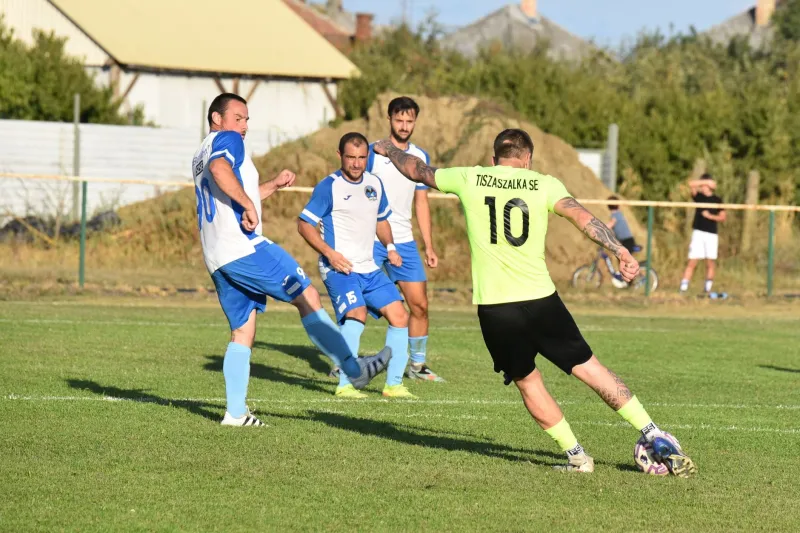
Photo: Alameen khalid200, CC BY-SA 4.0, via Wikimedia Commons
Every major tournament produces the same sequence. England do something vaguely heroic, the country loses its mind for a fortnight, and by the middle of August every club in the land is fielding calls from parents whose eight-year-old has ‘always loved football, actually’.
That's the theory, anyway. The question we've been asking since the final whistle blew in New Jersey in July is a simpler one: did any of it stick?
Four months on, with the clocks about to go back and the pitches turning into the usual November soup, we rang around clubs, coaches and county FA volunteers to find out.
The Numbers Look Good — Up To A Point
Ask around and the first answer is almost always positive. Sessions that were running at fourteen kids in March are running at twenty-two in October. One club in the Midlands told us their U10s had to split into two squads and start a waiting list. A women's recreational side in Bristol went from nine regulars to eighteen, which is the difference between training and actually playing.
That's the good news, and it's genuinely good. More bodies on a Tuesday night is the whole point of the thing.
But dig a layer down and the picture gets more complicated. The same clubs reporting record sign-ups are also reporting record drop-offs. One secretary put it bluntly: ‘We gained thirty and lost twenty-two. Nobody writes a press release about the twenty-two.’
What Clubs Are Actually Seeing
The seven-to-eleven surge is real. Nearly every club we spoke to said the biggest spike came in the youngest age groups, which makes sense. A World Cup is a family television event, and a nine-year-old who watched a semi-final in the garden the next morning is a very easy sell.
Teenage numbers are flat. This is the bit that should worry the FA more than anyone. The 14-18 bracket didn't move much at all. Clubs put it down to the usual suspects — school work, other sports, and the fact that a sixteen-year-old who's never played doesn't fancy walking into a squad that's been together since Year 4.
Adult Sunday football has barely budged. This was the big hope in a lot of committee rooms, and it hasn't landed. Sunday league is still fighting the same battle it was fighting in March: too many lads working weekends, too many pitches lost to 3G bookings, and a generation that would rather play five-a-side at 9pm on a Tuesday.
Volunteers did not surge. Nobody we spoke to gained a new kit washer. Several gained a new parent who offered to ‘help with social media’ and then vanished in week three.
The Spike Versus the Stick
Here's the distinction that matters, and it's one club officials are very clear about. A spike is a September. A spike is thirty new faces in the first three weeks of the season. It's lovely, it's loud, and it is not the same thing as growth.
Growth is what's left in February, when it's dark at half four, the pitch is a mud bath, and the same eleven kids turn up because they've made mates and they don't want to let them down.
One coach in Sheffield described the pattern perfectly. ‘August and September, we're turning people away. By Bonfire Night we're ringing round asking if anyone's got a mate who fancies a game. Every single year. The World Cup just made the first bit louder.’
That's not cynicism. It's just the reality of a volunteer-run system with no marketing budget and no retention strategy beyond the coach's own goodwill.
Where New Faces Leak Away
We asked clubs to name the single biggest reason new players didn't come back. The answers were almost boringly practical.
- Kit and cost. A parent who's just paid for boots, shin pads and a training top doesn't want to hear about a £40 monthly sub in week two.
- The friendship problem. Kids stay for the mates, not the football. Drop a new arrival into a squad that's been tight since reception and they'll notice within twenty minutes.
- The touchline. Several clubs admitted that new parents were put off by the noise from the sidelines. One under-9s fixture this season apparently required a Respect barrier reminder before kick-off — in October.
- The paperwork hill. DBS checks, safeguarding courses, county FA registration. Necessary, all of it, but it's a lot to ask of someone who's just offered to help for an hour on a Sunday.
Five Things That Actually Work
None of this is a mystery to the people running clubs, but it bears repeating for anyone trying to convert a summer spike into a winter squad.
Buddy up, don't just sign up. Pair every new kid with an existing player for their first four sessions. It's the cheapest retention tool in football.
Do a free month. Absorb the first four weeks' subs. If they're still there in November, they'll pay happily — and if they're not, you've lost a tenner and learned something.
Run a ‘come and try’ for adults. Sunday football's problem isn't interest, it's fear of being rubbish in front of strangers. Walking football, casual five-a-side and women's rec sessions are where the untapped demand actually sits.
Ask volunteers for one specific job. ‘Can you help?’ gets a shrug. ‘Can you run the tea hatch for forty minutes on alternate Sundays?’ gets a yes.
Keep the summer in the calendar. A tournament-themed open day in June, before the school holidays, does more for a club than a hundred Instagram posts in August.
So — Is the Bounce Real?
The honest answer is: partly. The World Cup gave grassroots football a genuine audience, and a lot of clubs have converted that into real, breathing new players. In the youngest age groups, it looks like actual growth.
But the tournament didn't fix retention, it didn't fix volunteering, and it certainly didn't fix the pitch bookings. Those were the problems in June and they're the problems in November.
The clubs who'll come out of this season stronger aren't the ones who shouted loudest in September. They're the ones who kept the new faces warm through the dark nights — and who remembered to say thank you to the volunteer holding the clipboard in the rain.
If that's your club, tell us about it. We're always up for a muddy pitch and a good story.