Poppies on the Peg: Remembrance Sunday on a Pitch With No Grandstand
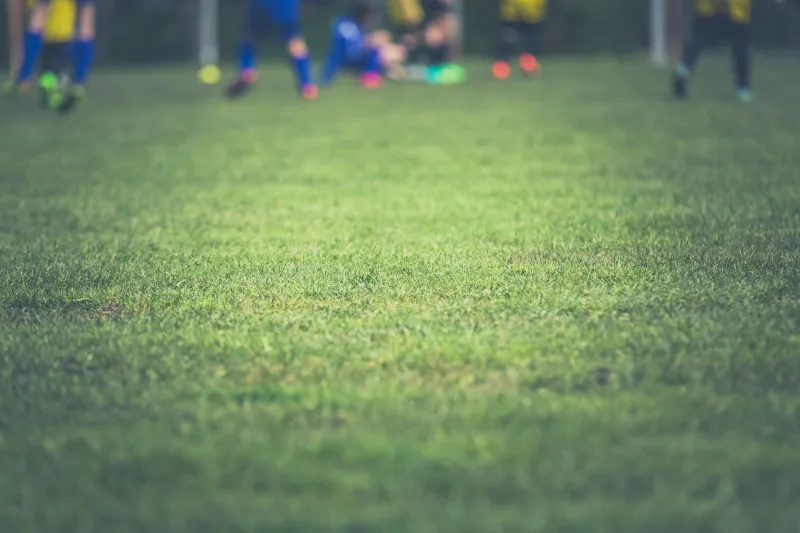
The weekend just gone was Remembrance Sunday, and across the country Sunday league sides did what they always do: found a way. There were no barriers, no programme sellers, no grandstand. There was a council pitch with a slight slope, a changing room that smelled of Deep Heat and damp socks, and nets still up from Saturday’s under-16s. And on the peg, next to a shirt that had seen better days, someone had hung a poppy armband.
That is the image worth keeping from Remembrance weekend in 2026. Not a perfect ceremony. Not a polished parade. Just ordinary football people making a bit of space for something bigger than the fixture list.
The Poppy on the Peg
At most clubs, the armbands appeared quietly. A skipper pulled them out of a kit bag, handed them round, and muttered something about making sure they went back in the bag afterwards. Some players wore them over long sleeves. Some taped them to bare arms because the elastic had gone. One keeper spent five minutes adjusting his until it sat right above his gloves, then promptly dropped the first cross of the morning.
Nothing about it was uniform. That felt right. Grassroots football is not a place for perfect drill. It is a place where a plumber, a teacher, a student and a dad who has not slept properly since August all end up on the same pitch, trying to remember the same thing. The poppy did not need a dress code. It just needed to be there.
Referees did their bit, too. You could hear the same instructions up and down the country: 'Lads, we’re doing a minute before kick-off. Captains, bring them in.' No fuss. No long speech. Just a whistle, a hush, and a group of blokes standing in a circle trying not to look awkward.
The Bugler Who Nearly Didn’t Make It
The scramble for a bugler was its own mini-drama. Some clubs had it sorted weeks ago. Others were ringing round on Friday night. One secretary admitted he had asked a mate who played trumpet in a wedding band, only to discover the mate was in Tenerife. Another club found a grandad of a left-back who had done it before and was happy to do it again, provided someone picked him up and there was a cup of tea waiting.
At one ground, the Last Post came from a phone speaker held aloft by a player who had volunteered because nobody else would. It was not pitch-perfect. It did not need to be. The lads stood still, the wind caught the flag by the clubhouse, and for sixty seconds the only other sound was a car going past on the main road.
That is the thing about remembrance at this level. It is not about ceremony for ceremony’s sake. It is about people choosing to stop. The bugler can be borrowed. The sound system can crackle. The important bit is that everyone stops.
The Minute’s Silence, and the Dog
And then there was the dog. There is always a dog. This one was a Jack Russell with no respect for protocol and a clear sense of adventure. It trotted across the far touchline just as the silence began, stopped to inspect a corner flag, and then made a break for the centre circle.
A few players bit their lips. Someone on the touchline whispered 'oh no' with the intensity of a man watching a penalty. The referee, to his credit, kept his head. The dog was gently corralled by a substitute who had been warming up and was now doing unpaid animal control. The silence resumed. Nobody laughed out loud until after the whistle. That felt about right.
Grassroots remembrance is never going to be flawless. It happens on a council pitch with a dog on the loose and a net that needs tying back. But the respect is real. You could see it in the way players stood still, in the way the chat stopped, in the way a few lads looked at the ground and thought about someone who used to watch them from the rail.
The Pub, Afterwards
Then came the pub. The usual post-match inquest was there — the missed chance, the dodgy offside, the keeper who should have come for the corner — but it got quieter sooner than usual. Someone had brought a photo. Someone else had a story about a great-grandad who never spoke about the war. A centre-half learned something about his own family he had not known that morning.
The landlord had the football on with the sound down. The tea went round. The poppy armbands were piled on the table next to a plate of chips. For a while, team news gave way to family stories, and nobody was in a rush to get back to the league table.
That is what Remembrance Sunday looked like in grassroots football in 2026. It was not grand. It was not slick. It was a load of blokes on a cold pitch, a borrowed bugler, a stray dog, and a pub afterwards where people actually listened. The nets were still up from Saturday. The pitch was never going to be perfect. But the last post still found its mark.